reflective insulation foil
Reflective insulation foil is a lightweight thermal insulation material designed to reduce heat transfer by radiation. It typically consists of one or more layers of reflective aluminum foil bonded to substrates such as polyethylene bubbles, foam, or kraft paper. The highly reflective surface—often over 95% reflectivity—helps keep radiant heat on the desired side of a building envelope, improving energy efficiency in both hot and cold climates.The basic principle behind reflective insulation foil is the control of radiant heat, which is a major component of heat gain in roofs and walls. In warm climates, the foil is usually installed facing an air space under the roof or on exterior walls. The reflective surface bounces solar radiation away, significantly reducing heat flow into the interior. This helps lower indoor temperatures and decreases the load on air conditioning systems. In cooler climates, reflective foil can also be used to reflect interior heat back into the living space, reducing heat loss and supporting other forms of insulation.Installation methods vary depending on the application. In roofing systems, the foil may be stapled to rafters or laid over roof decking with an air gap maintained on at least one side. In wall assemblies, it can be placed behind cladding, inside stud cavities, or combined with other insulation materials. When used under floors or in crawl spaces, the foil is often attached to joists or subfloor structures. Proper installation requires attention to continuous coverage, minimal punctures, and correctly sized air spaces, as the performance of reflective insulation depends on both reflectivity and the presence of adjacent air gaps.Reflective insulation foil also provides secondary benefits. The aluminum surface acts as a vapor barrier when seams are properly sealed with compatible tape, helping to control moisture movement. The material is typically thin, flexible, and lightweight, making it easy to transport, cut, and handle on site. It does not settle over time like some bulk insulations, which helps maintain consistent performance. Many products are also resistant to most forms of mold and mildew, as they do not absorb water.This type of insulation is widely used in residential, commercial, and agricultural buildings. Common applications include attic spaces, metal buildings, garages, warehouses, and pole barns. It is also found in HVAC duct wraps, radiant floor systems, and packaging where temperature control is important. When combined with traditional mass insulation such as fiberglass or mineral wool, reflective foil can enhance overall thermal performance and occupant comfort.By limiting radiant heat transfer, reflective insulation foil contributes to reduced energy consumption and lower utility costs. Its effectiveness, however, relies on correct installation and appropriate integration with the overall building design, ventilation strategy, and local climate conditions.
Produto
Categoria:
Thermal Insulation Materials
-
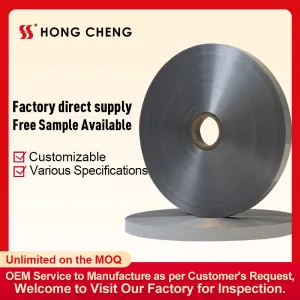
Single side duct foil with silver color
Sua classificação: Duct Aluminum FoilVistas: 6Número:Tempo de liberação: 2026-03-19 15:59:56 -

Golden color VMPET Coating VMPET+PE
Sua classificação: Thermal Insulation MaterialsVistas: 2Número:Tempo de liberação: 2026-03-19 17:00:26 -
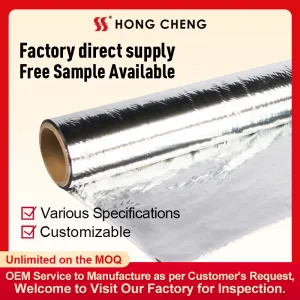
VMPET Extruding with PE, VMPET+PE
Sua classificação: Thermal Insulation MaterialsVistas: 5Número:Tempo de liberação: 2026-03-19 17:13:35 -
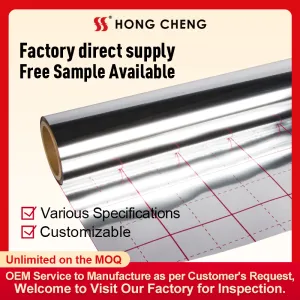
VMPET+PET ,VMPET reflective film printing
Sua classificação: Thermal Insulation MaterialsVistas: 4Número:Tempo de liberação: 2026-03-19 17:17:09
Notícias
Categoria:
Nenhum resultado de pesquisa!
Caso
Categoria:
Nenhum resultado de pesquisa!
Vídeo
Categoria:
Nenhum resultado de pesquisa!
Download
Categoria:
Nenhum resultado de pesquisa!
Recrutamento
Categoria:
Nenhum resultado de pesquisa!
Produtos recomendados
Nenhum resultado de pesquisa!